- Your cart is empty
- Continue Shopping

Mithila AcharPickleVidegha
Shelf Life Secrets: How to Store Your Homemade Achar Without Preservatives
 By
By Homemade achar is more than just a condiment—it’s an edible time capsule, holding the warmth of the sun, the fragrance of spices, and the patience of tradition. Yet, without artificial preservatives, the same qualities that make achar natural and healthy can also make it vulnerable to spoilage. Fortunately, generations of Indian households have perfected the art of keeping achar fresh and flavourful for months, even years, using nothing but science and care.
1. The Oil Barrier: Your Natural Preservative
In Indian pickling, mustard oil isn’t just a flavour enhancer—it’s a biochemical guardian. When properly heated and poured over the achar mixture, it creates an anaerobic seal, blocking oxygen and bacteria from spoiling the ingredients. Always ensure that the achar is completely submerged in oil. If you ever notice the oil level dropping, top it up immediately. The key rule: oil should always be above the masala.
2. The Sun-Drying Ritual of Homemade Achar
Sunlight plays the role of both cook and sterilizer. Before the achar is bottled, ingredients such as mangoes, chillies, or lemons are sun-dried to reduce their moisture content. Less moisture means fewer microbes and longer shelf life. Even after bottling, occasional sun exposure—an hour or two every few weeks—keeps the achar warm, dry, and self-sanitized. Ancient Indian wisdom meets solar science.
3. Glass Jars Over Plastic or Metal
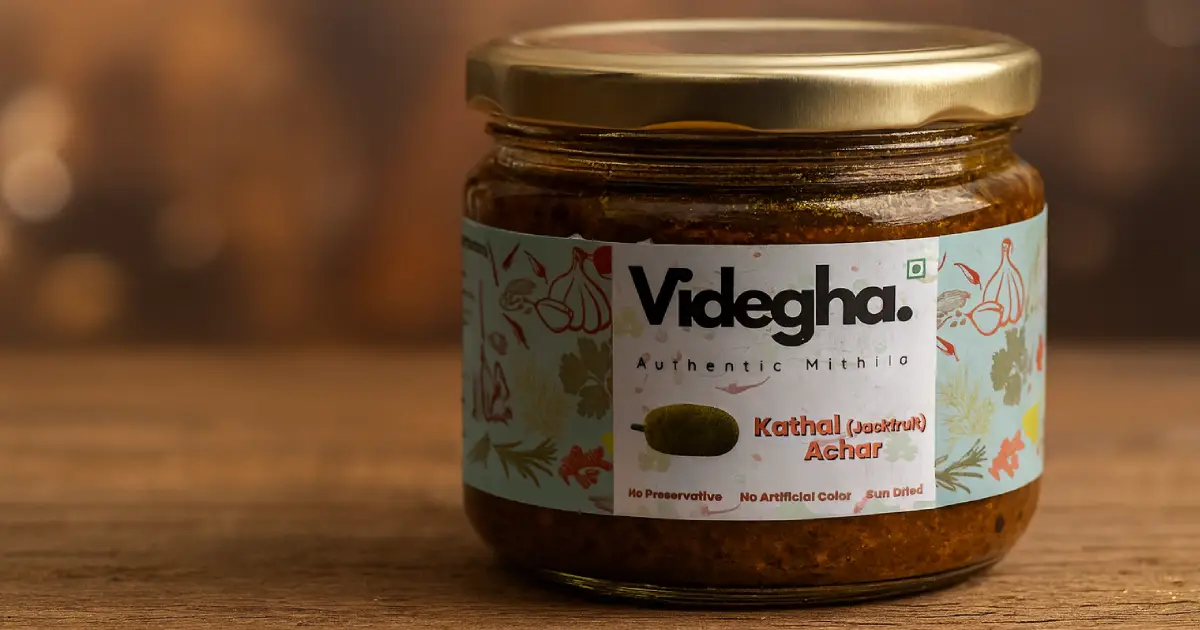
Glass jars are inert; they don’t react with oil, acid, or spices. Plastic can leach chemicals, and metal can corrode, especially with acidic ingredients like lime or tamarind. Always sterilize jars before use—either by boiling them or heating them in an oven. Once filled, seal them tightly and avoid unnecessary opening. Every time air enters, so does potential contamination.
4. Moisture: The Silent Enemy of Homemade Achar
Water is achar’s greatest foe. Even a drop of moisture can trigger mold. Always use dry spoons when serving, and never dip wet fingers or utensils into the jar. When you wash the jar lid, ensure it’s fully dry before sealing. It’s remarkable how often pickles spoil not from poor preparation but from everyday mishandling.
5. Cool, Dark, and Consistent Storage
Achar loves stability. Keep it in a cool, dark corner away from direct sunlight or fluctuating temperatures. Kitchens near stoves or windows are risky zones. In humid regions, refrigeration is acceptable, but make sure to bring the jar to room temperature before each use to prevent condensation.
6. Spices as Natural Defenders
Many Indian spices—mustard seeds, turmeric, fenugreek, hing (asafoetida)—aren’t just for flavour. They’re antimicrobial. Together, they form a chemical shield that fights spoilage and oxidation. Traditional recipes didn’t include these ingredients by accident; they were chosen for preservation as much as for taste.
Homemade achar is a living product, one that matures and deepens with time. Properly stored, it can last a year or more—without a trace of synthetic preservatives. What keeps it alive isn’t chemistry from a factory, but balance, patience, and sunlight. In other words, the same ingredients that make life itself endure.
Read This Now – From Terrace Jars to E-Commerce – The Rise of Homemade Achar

1 Comment