- Your cart is empty
- Continue Shopping

Mithila AcharPickleVidegha
Decoding Ingredients of Mithila Achar: The Ayurvedic Benefits of Mustard Oil, Rai, Lal Mirch and Hing.
-
 By Vikas Jha
 - Posted on
- 0 comments
 By
By Every ingredient in a traditional Mithila-style pickle has a purpose. Recipes passed down for generations were never random combinations of spices and oils. They were thoughtful formulations rooted in seasonal wisdom, microbial preservation, and the healing principles of Ayurveda. The ingredients used in natural pickles do much more than enhance taste. They support digestion, metabolism, immunity, and long-term wellness—benefits that modern packaged foods often lack.
In this article, we decode the Ayurvedic benefits of four timeless ingredients found in Videgha pickles: mustard oil, rai (mustard seeds), lal mirch (red chilli) and hing (asafoetida). Understanding these ingredients helps us appreciate how traditional pickles offer both flavour and functional health benefits.
Mustard Oil: Warming, antimicrobial, and heart-friendly | Ayurvedic Benefits
Mustard oil called sarson ka tel is the backbone of traditional Indian pickles. Ayurveda classifies mustard oil as ushna (warming), meaning it stimulates digestive fire, or agni. A strong agni helps the body break down food efficiently, preventing indigestion and bloating.
Beyond digestion, mustard oil contains naturally occurring compounds like glucosinolates, which provide antibacterial, antifungal, and anti-inflammatory properties. Traditionally, mustard oil was believed to shield pickles from harmful microbes during long sun-drying and ageing processes. This is why pickles preserved in mustard oil can last months without synthetic preservatives when prepared properly.
Mustard oil is rich in omega-3 fatty acids and monounsaturated fats, which are associated with cardiovascular benefits in modern nutritional science. Ayurveda values these oils for lubrication of tissues and circulation support. When mustard oil coats ingredients in achar, it doesn’t merely act as a preservative; it protects nutrients and enhances bioavailability.
When used responsibly and in balance, mustard oil supports digestive strength, maintains joint lubrication, promotes circulation, and aids metabolism—all reasons it has remained the preferred oil in traditional pickling.
Rai (Mustard Seeds): Digestive stimulant and natural preservative
Rai performs two distinct roles in achar. First, it acts as a natural preservative. Crushed or whole mustard seeds release enzymes that inhibit spoilage organisms. Their pungent essential oils prevent microbial growth, making them critical in pickles stored without refrigeration.
Second, rai stimulates digestion. Ayurveda associates mustard seeds with deepana (digestive fire activation) and pachana (metabolizing undigested residues). This means rai helps process heavy or oily meals, making achaars not merely sides but digestive aids accompanying rich Indian thalis.
Modern research recognizes mustard seeds for their antioxidant and antimicrobial properties. They contain selenium and magnesium, minerals that may support immunity. Rai also boosts metabolism by stimulating the secretion of gastric juices. This aligns with what households always believed: a small bite of pickle could make food taste better and feel lighter on the stomach.
Lal Mirch (Red Chilli): Circulation booster and metabolic activator | Ayurvedic Benefits
Red chilli is often misunderstood as an irritant. In moderation, Ayurveda and modern nutrition both acknowledge its benefits. Lal mirch stimulates circulation, enhances metabolism, and awakens taste perception.
Ayurvedically, red chilli possesses ushna virya, or hot potency. This means it increases warmth in the body, which supports digestive processes and discourages congestion in the gastrointestinal tract. It is classified as katu rasa, the pungent taste, linked to stimulating appetite and clearing sluggishness in the system.
Red chilli contains capsaicin, an active compound that modern science associates with improved metabolism, fat oxidation, and pain-relief pathways. Capsaicin may also help balance blood sugar and boost immunity. In pickles, chilli enhances not only flavour but the antimicrobial environment necessary for natural fermentation and preservation.
Because of its heating quality, red chilli works great in winter months and pairs well with cooling or oily foods. When combined with mustard oil and rai, its potency becomes balanced and beneficial.
Hing (Asafoetida): Anti-gas, gut-healthy, and sattvic when used right
Hing plays a subtle but powerful role in pickles. Ayurveda reveres hing as a deep digestive aid. It reduces gas formation, relieves bloating, and controls vata—the dosha responsible for air and movement in the body. Vata imbalance leads to digestive discomfort, and hing helps restore harmony.
Hing generates warmth and stimulates agni. It prevents undigested residues, or ama, from accumulating. This is especially relevant in pickles because they pair with heavier meals containing rice, wheat, pulses, or dairy.
Modern research aligns with these traditional views. Studies suggest asafoetida may have antispasmodic, antimicrobial, and anti-inflammatory effects. It can regulate gut flora and support smoother digestion by improving blood flow to the gastrointestinal tract.
Because pickles often include fibrous fruits and vegetables, hing reduces heaviness and supports gut comfort. This makes it an essential balancing spice in fermentations or oil-preserved achaars.
Ayurveda’s holistic logic behind traditional pickling | Ayurvedic Benefits
When mustard oil, rai, hing, and lal mirch come together, they create a synergistic formula. Each ingredient carries digestive, metabolic, circulatory, and preservative benefits. These effects explain why pickles traditionally aren’t considered junk food in Ayurveda. Instead, when consumed moderately, they act as digestive companions that improve satiety, appetite, and assimilation of nutrients.
Traditional pickles were storage solutions for seasonal produce, but Ayurveda extended their purpose into wellness support. Sun ageing further enhanced these benefits by reducing moisture content, encouraging beneficial enzymes, and making the spices more bioavailable.
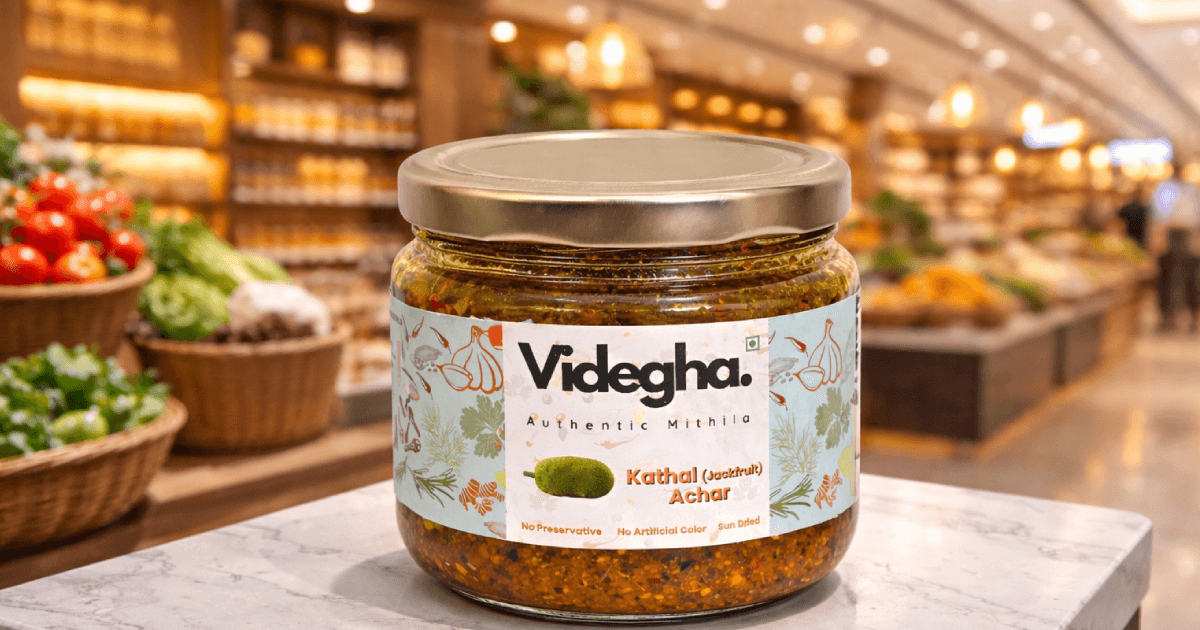
Videgha draws inspiration from these time-tested practices—sun-drying, natural preservation and ingredient purity—to create pickles that bring flavour, heritage and wellbeing together without artificial preservatives. Appreciating these ingredients encourages mindful eating: understanding why small quantities have big effects and how ancestral food science was rooted in a deep understanding of gut health.
As modern consumers rediscover fermented, sun-aged and natural foods, these classical ingredients remind us that everyday kitchen staples already contain layers of nutritional wisdom waiting to be valued again.
Read This Now : Shelf Life Secrets: How to Store Your Homemade Achar Without Preservatives
