- Your cart is empty
- Continue Shopping

Mithila AcharPickleVidegha
The Difference Between Homemade Achar & Mass-Market Pickles
 By
By Pickles—better known in India as achar—are more than just a side dish. They are memories in a jar, a connection to family traditions, and a celebration of spices and flavors that have been passed down for generations. Yet, in today’s fast-moving world, achar has taken on two very different forms: the carefully made homemade achar and the factory-produced mass-market pickles. While both may look similar on a store shelf, their ingredients, processes, and benefits are worlds apart. At Videgha, our mission is to bring back the authentic Mithila way of preparing achar, reminding people what real taste and purity mean.
Ingredients: The Foundation of Flavor of Homemade Achar.
The first and most important difference lies in what goes inside the jar. Homemade achar, like the ones we prepare at Videgha, is made from seasonal, natural ingredients. The raw mangoes, lemons, chilies, jackfruit, or garlic are selected at their freshest stage. Every spice—be it mustard seeds, fennel, fenugreek, or turmeric—is roasted and ground fresh, ensuring both flavor and health benefits are preserved. Oils like mustard oil are used in their purest form to act as natural preservatives.
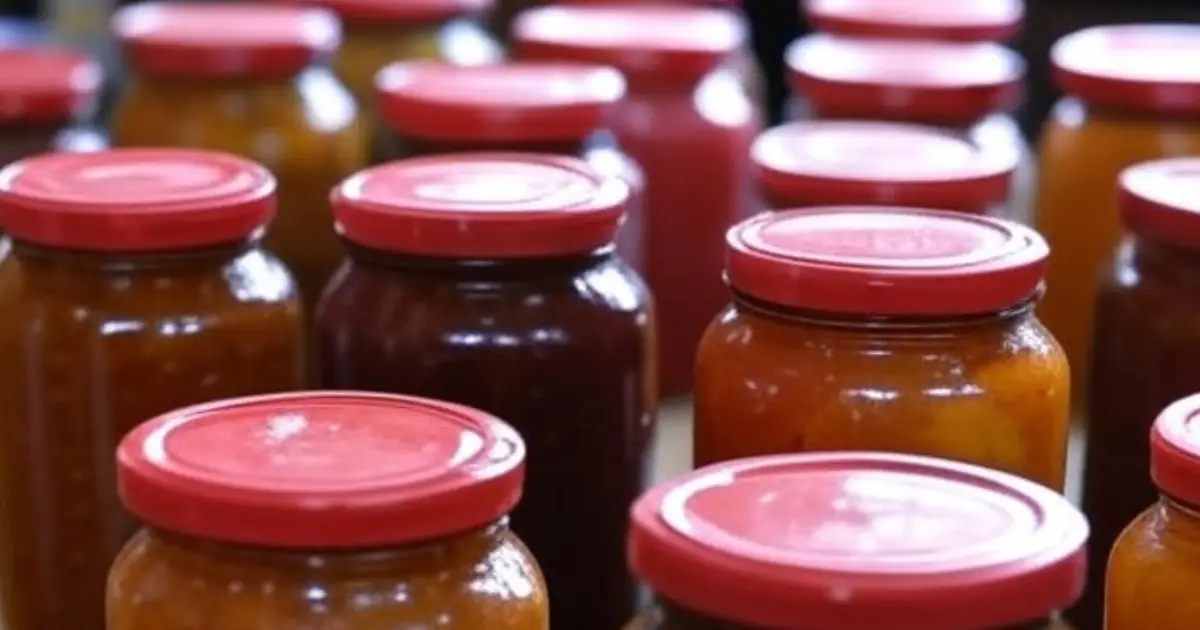
Mass-market pickles, however, often cut corners. To meet large-scale demand and extend shelf life, many brands rely on chemical preservatives, artificial colors, and synthetic flavor enhancers. These shortcuts make the pickle last longer on a supermarket shelf but compromise the natural nutritional value and authentic taste. Instead of seasonal freshness, you get standardized, factory-like uniformity.
The Process: Tradition vs. Automation
The process of making achar is as important as the ingredients. In traditional Mithila homes, achar is made through sun-drying, slow fermentation, and natural aging. The fruits or vegetables are carefully cleaned, salted, and left under the sun to remove excess moisture. The mixture is then combined with spices and oil, and stored in jars that are opened occasionally to let the achar breathe and ferment naturally. This process takes time—often weeks—but it creates depth of flavor and natural probiotics that promote gut health.
Mass-market pickles follow a very different path. Machines mix ingredients in huge batches, and the aim is speed, not soul. Artificial preservatives replace the need for sun-drying. The entire process is about uniformity and quick turnover, not about patience or natural aging. The result is a pickle that may look vibrant but lacks the layered taste of achar that has been lovingly fermented in a household kitchen.
Taste: Authenticity vs. Uniformity
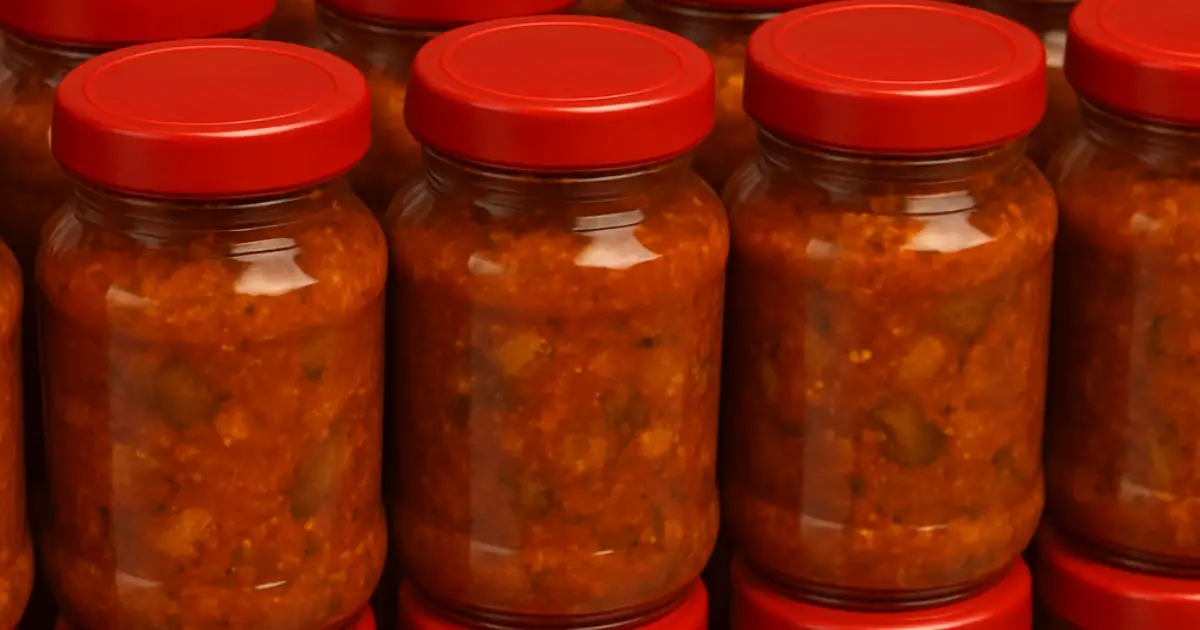
Anyone who has tasted achar from their grandmother’s hands knows the difference immediately. Homemade achar carries complex layers of flavor—a burst of spice, a tinge of tanginess, a mellow depth that lingers. No two batches are exactly alike, because achar reflects the love, patience, and small variations of natural ingredients.
Mass-market pickles, on the other hand, are designed for uniformity. Every jar tastes exactly the same, whether it was made yesterday or six months ago. While this may seem convenient, it strips the pickle of its personality. Authentic achar like Videgha’s Mithila-style achar gives you more than just a condiment; it gives you an experience rooted in memory and culture.
Health and Nutrition: Natural vs. Artificial
One of the hidden strengths of homemade achar is its health benefits. The fermentation process produces natural probiotics that improve digestion and boost immunity. The spices used in achar are not only for taste but also for wellness—turmeric as an anti-inflammatory, fenugreek for regulating metabolism, mustard seeds for their antibacterial properties.
Mass-market pickles often lose this nutritional richness. Chemical preservatives disrupt the probiotic potential, and excessive use of refined oils or stabilizers reduces the health value. Instead of supporting gut health, these pickles are often loaded with excess salt, sugar, or artificial agents that can harm long-term wellness.
Connection to Culture and Identity of Homemade Achar
Achar is not just food—it is culture in a jar. In Mithila, every household has its own way of making achar, with recipes passed down for generations. The process is often communal: families gather to chop, mix, and store achar together, sharing stories as much as they share spices. This is what makes achar deeply personal and emotional.
Mass-market pickles can never carry this emotional weight. They are products of factories, not traditions. Their purpose is sales, not storytelling. At Videgha, we honor this cultural heritage by sticking to the age-old Mithila method of achar-making—sun, time, and natural ingredients. Every jar carries not just taste, but also a piece of history.
Transparency and Trust
Another major difference lies in transparency. Homemade achar gives you clarity—you know exactly what went into it, because you can see and taste every ingredient. At Videgha, we make this transparency our promise: no hidden preservatives, no shortcuts, no compromise on purity.
Mass-market pickles often hide behind labels. Ingredient lists may feature names you can’t pronounce, and what looks like a traditional recipe often has artificial boosters that consumers are unaware of. This lack of clarity makes it harder for people to trust what they are eating.
Why Choose Videgha for Homemade Achar?
Videgha is not just another pickle brand. We are committed to keeping authentic Mithila achar alive in a world that’s rapidly forgetting its roots. By combining traditional methods, natural ingredients, and complete transparency, we deliver achar that is good for your health, true to your culture, and unforgettable in taste.
Every jar of Videgha achar is more than food—it’s a connection to your heritage, your gut health, and your love for authentic Indian flavors. Choosing Videgha is choosing tradition over shortcuts, authenticity over uniformity, and purity over artificiality.
The difference between homemade achar and mass-market pickles is more than just a matter of taste—it’s about values, health, and heritage. One is rooted in patience, care, and authenticity; the other in speed, scale, and profit. With Videgha, we bring you achar the way it was always meant to be—pure, natural, and packed with the soulful flavors of Mithila.
Read This Now – Why Seasonal Pickles are Healthier and Tastier than Store-Bought Ones.

1 Comment